
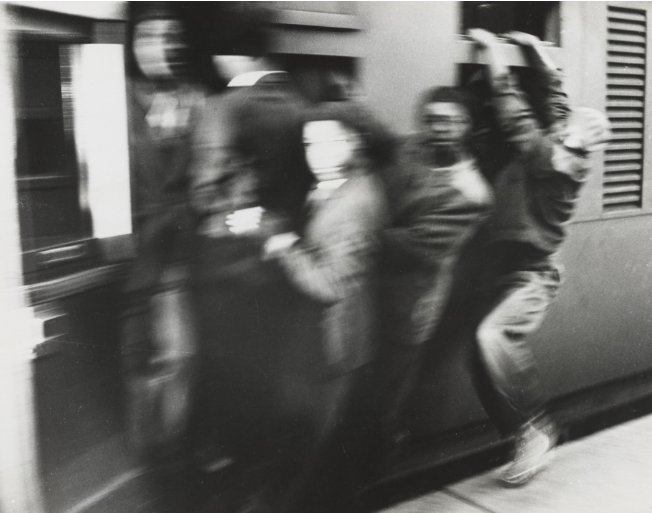
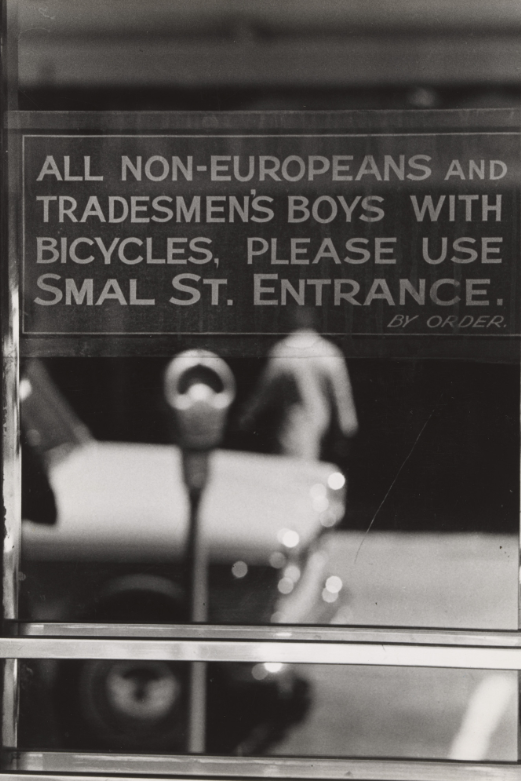
Ernest Cole was not documenting history from a distance. He was photographing a system designed to control, segregate, and silence. Born in 1940 in Pretoria, South Africa, Cole became one of the first Black freelance photographers to work under the country’s rigid racial segregation laws, a state-imposed structure that dictated where people could live, work, and move based solely on the colour of their skin.
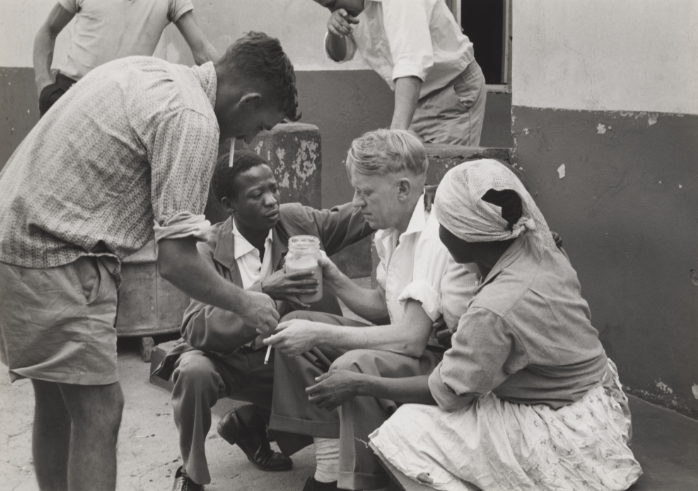
His photographs exposed everyday life under this regime with an unflinching clarity. Overcrowded townships, police intimidation, forced removals, identity passes, and moments of quiet resilience all appear in his work. Nothing is exaggerated. Nothing is softened. Cole’s strength lay in showing how oppression functioned not only through violence, but through routine, bureaucracy, and repetition.
He wanted to show the world what was really happening, because people inside South Africa were not allowed to speak
In 1967, he published House of Bondage, a photographic book that revealed the inner workings of South Africa’s racial system to an international audience. The book was immediately banned in his home country. Its publication forced Cole into exile, cutting him off permanently from the place that shaped both his life and his work. Structured as a visual sequence, House of Bondage does not rely on shock value. Instead, it builds a devastating narrative through accumulation, showing how segregation permeated homes, streets, workplaces, and bodies.
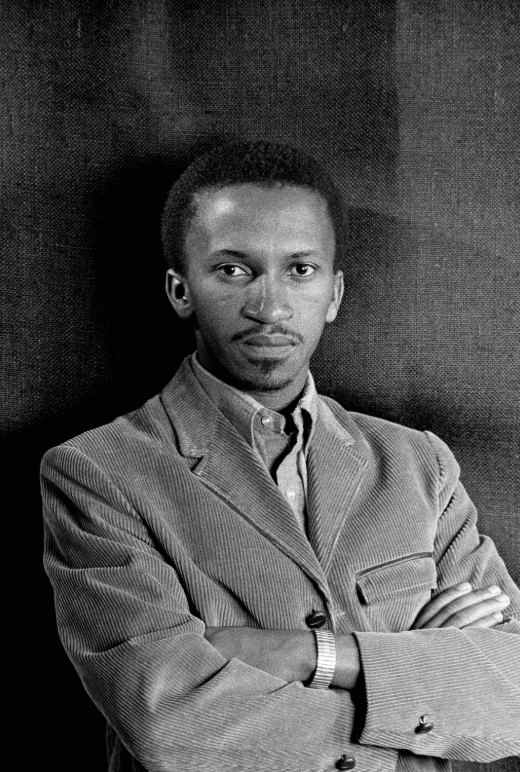
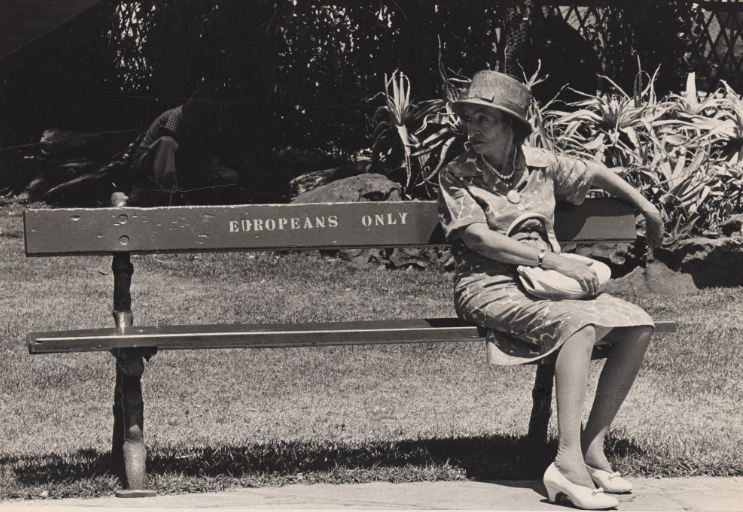
Life in exile proved harsh. Although his work was widely praised early on, Cole struggled to find stability in Europe and later in the United States. Displacement, financial insecurity, and isolation gradually pushed him to the margins of the photographic world. He died in New York in 1990, largely overlooked, his archive scattered and incomplete.
Only decades later did a broader reassessment begin. Rediscovered negatives and renewed institutional interest reframed Ernest Cole not just as a documentary photographer, but as a visual historian. His images are now understood as essential records of a political system built on separation and control, and of the human cost it imposed.
Today, Cole’s work feels urgent again. In a time overwhelmed by images, his photographs remind us that seeing is not neutral. His camera did not chase aesthetics or approval. It insisted on truth. Ernest Cole photographed from within a reality he could not escape, and in doing so, created a body of work that continues to challenge how power, race, and visibility are understood.